
In the digital age, maintaining a robust online presence is crucial for businesses and individuals alike. One of the key aspects of ensuring a website’s optimal performance and security is effective website monitoring. Website monitoring involves tracking various metrics such as uptime, response time, functionality, and user experience to identify issues promptly before they escalate into significant problems. However, traditional monitoring methods often face challenges like IP blocking, inaccurate data due to geo-restrictions, and limited access to localized content. This is where static residential proxies come into play as an innovative solution to improve website monitoring.
Static residential proxies are IP addresses assigned by Internet Service Providers (ISPs) that remain consistent over time but appear as regular home-user connections rather than data center servers. Unlike dynamic or rotating proxies that frequently change IPs, static residential proxies maintain the same IP address during their usage period. This stability combined with their legitimacy as real residential IPs makes them highly valuable for accurate and reliable website monitoring.
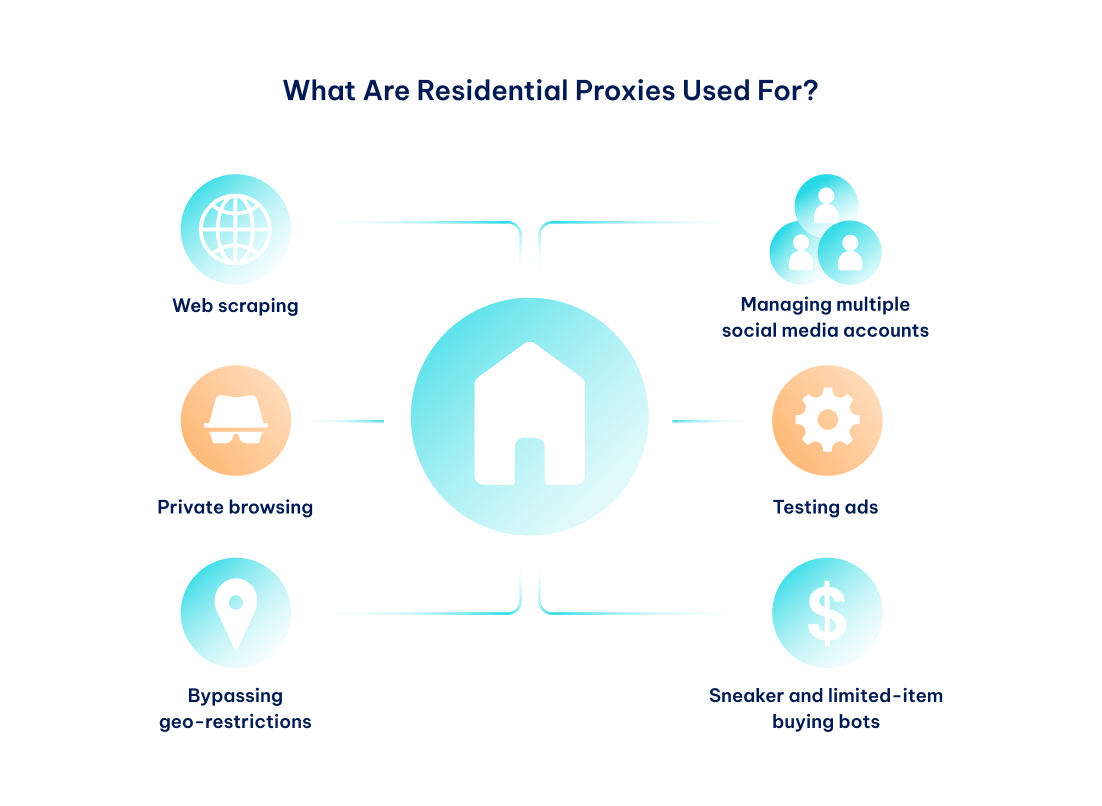
One major advantage of using static residential proxies in website monitoring is enhanced access to geo-specific content without triggering anti-bot mechanisms or getting blocked by target websites. Since these proxies mimic genuine users from specific locations, they allow monitors to fetch localized versions of web pages accurately. For example, e-commerce platforms can verify if regional promotions or pricing are correctly displayed in different countries by routing checks through corresponding static residential proxy proxies help bypass rate limiting imposed on conventional data center IPs during frequent automated checks. Many websites detect high volumes of requests originating from single data center ranges and block or throttle them to prevent abuse. Static residential proxies distribute these requests across multiple legitimate-looking endpoints which reduces the risk of blacklisting while enabling continuous uninterrupted monitoring.
Another critical benefit lies in improving the reliability of performance measurements such as page load times and server response rates from diverse geographic vantage points. Businesses targeting international audiences need insights into how their site performs regionally since internet speeds vary globally depending on infrastructure quality and network congestion levels. By utilizing static residential proxies located strategically worldwide, organizations gain comprehensive visibility into end-user experiences under realistic conditions.
Security also plays a vital role; some cyberattacks attempt reconnaissance via probing a site’s vulnerabilities through repeated requests from suspicious sources like known data centers or VPN nodes. Employing static residential proxies masks these probes behind authentic-looking traffic patterns making it harder for attackers’ activities to be distinguished from normal user behavior during security audits.
In conclusion, integrating static residential proxies into website monitoring frameworks significantly elevates accuracy, coverage breadth, and resilience against common obstacles encountered with traditional approaches. Their unique combination of consistency in identity coupled with genuine ISP assignment empowers organizations not only to monitor effectively across multiple regions but also maintain stealthy operations minimizing detection risks by target sites’ defense systems. As online competition intensifies alongside evolving cyber threats requiring vigilant oversight at all times-leveraging static residential proxy technology becomes an indispensable strategy for modern web administrators striving for excellence in site reliability management and user satisfaction enhancement efforts alike.